
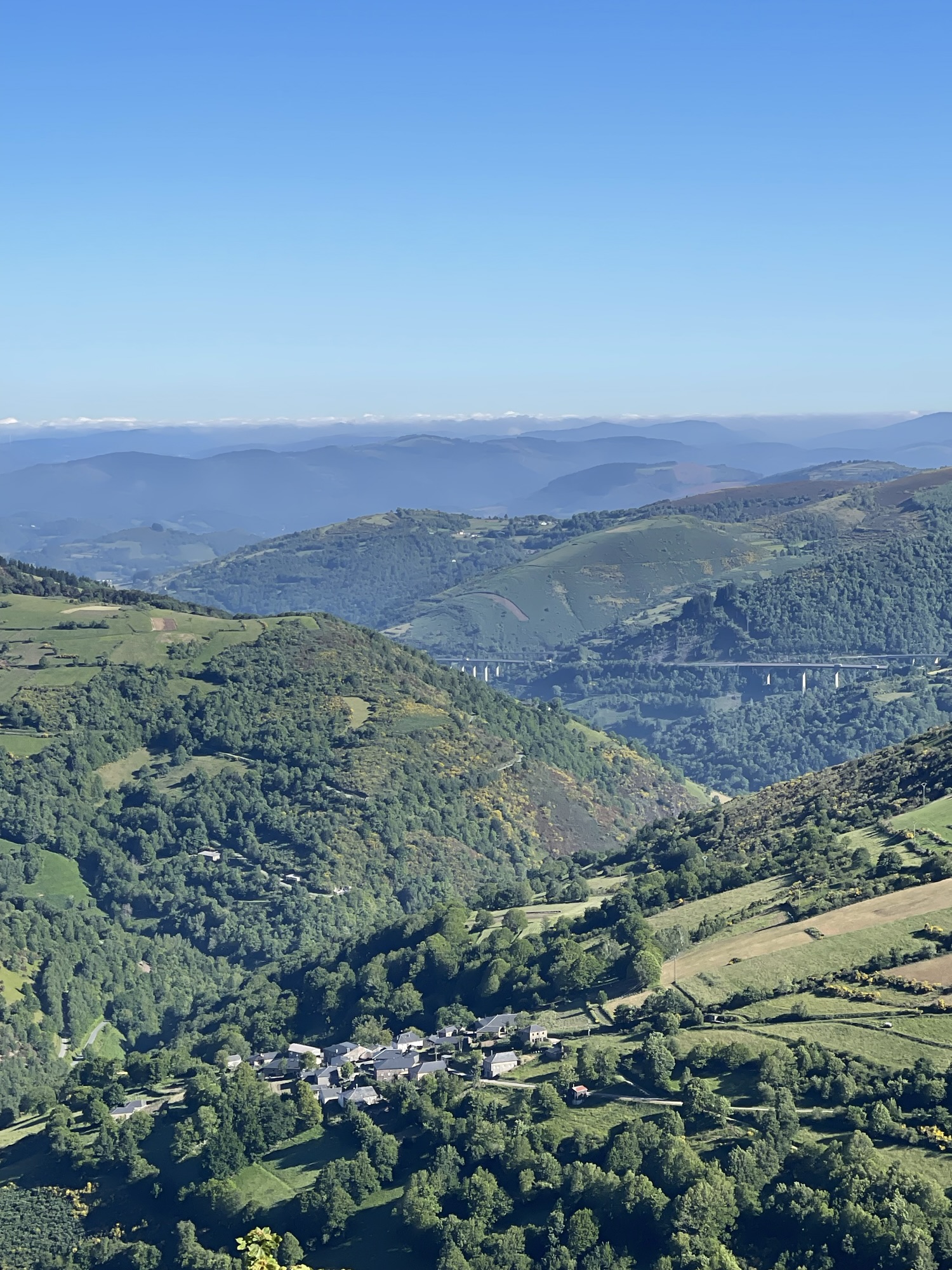
Training As Part Of Your Pilgrimage
Most people treat training as the annoying administrative work before the “real” Camino starts. That mindset quietly sabotages motivation. The shift that changes everything is this: your Camino begins the day you decide to go, not the day your boots hit Spanish soil.
- Each training walk is a rehearsal of the same choice you will face on Day 10 in the rain: “Do I keep going or do I stop?”
- When you frame training as prayer, reflection, or mental decluttering time, the kilometres become something you look forward to, not a chore to endure.
- The discipline you build—showing up on days you do not feel like it—becomes one of the most valuable things you carry on the Way.

Know Your Starting Point (And Be Honest About It)
Before you look at plans and numbers, be ruthlessly honest about where you are right now. Over‑estimating your base fitness is one of the fastest ways to get injured, overwhelmed, or both.
- Ask yourself: How many days per week do you currently move on purpose? How far can you comfortably walk today without waking up sore tomorrow?
- If you are mostly sedentary, your first win is not a 15 km hike; it is walking 20–30 minutes three days this week, and then doing it again next week.
- If you already walk or run regularly, the focus shifts from “Can I move?” to “Can I move for several hours, on consecutive days, with a backpack?”
A simple rule of thumb: you want to be able to walk at least 15–20 km in a day and feel confident you could get up and walk again the next morning. That is the minimum viable “Camino‑ready” test.
How Long Do You Need To Train?
The frustrating but true answer is: it depends on your current fitness, your age, your body, and which Camino route and starting point you have chosen. In truth – many people could walk the way without training but it would be difficult, less enjoyable and take a dedicated mindset to do that.
The good news is that you do not need elite fitness to walk the Way; you need consistent, progressive training.
- If you are starting from very little regular activity, plan on 5–6 months of gentle, progressive build‑up.
- If you already walk several times per week, 10–12 weeks of focused training can be enough to sharpen your endurance and resilience.
- The longer your Camino (full Frances vs last 100 km), the more conservative you should be with your preparation window; more days on the trail mean more cumulative fatigue to absorb.
Think in months, not in last‑minute panic. Your future self in Spain will be profoundly grateful for the boring, early work you do now.

The Three Big Levers: Distance, Terrain, Backpack
Effective Camino training is simpler than most people think. You are really adjusting three main levers: how far you walk, what kind of ground you walk on, and what you carry while you do it.
Distance: Time On Feet
Your body adapts best to slow, predictable increases in workload—not heroic spikes of effort.
- Start where you are. If 3–4 km feels like plenty, that is your baseline.
- Add only a small amount of distance or time each week; aiming for roughly a 10% increase keeps your joints and tendons happier.
- Build towards at least one weekly “long walk,” eventually in the 15–20 km range, in the month or two before departure.
- Remember that speed is secondary; Camino days are about sustained, comfortable effort, not racing.
Terrain: Train For The Way, Not The Treadmill
The Camino is not a perfectly flat riverside path, and your training should reflect that reality.
- Seek out local hills, stairs, and uneven surfaces whenever possible; your ankles and knees need to learn how to stabilise on variable terrain.
- If you live somewhere flat, improvise: repeat bridges, find stairs in parks or office buildings, or use a treadmill with a gentle incline.
- Mix in some descents as well as climbs. Walking downhill with a pack is where many knees complain the loudest, and it is better to discover that at home.
Backpack: Make Friends With Your Pack
Your backpack is either your trusted companion or your daily tormentor. Training is where you decide which it will be.
- Start walking with an almost empty pack to let your shoulders, back, and hips get used to the feel.
- Gradually add weight until you are training with something close to your intended Camino load.
- Adjust and re‑adjust the fit: hip belt, chest strap, strap length. A couple of millimetres of tweak can transform how it feels after two hours.
- Use your training walks to test packing systems too—what goes where, what you need at hand, what constantly annoys you.
A Simple, Realistic Training Framework
Instead of a rigid plan that collapses the first time life gets in the way, think in phases with clear priorities. You are looking for a trend, not a perfect execution.
Phase 1: Habit And Foundation (4–6 Months Out)
Goal: become a person who walks regularly, without drama.
- Walk 3 days per week for 20–45 minutes at a comfortable pace.
- Focus simply on consistency: same days, same rough time of day.
- Start to notice how your body feels: which shoes feel best, how much sleep you need, what soreness feels “normal” vs “worrying.”
Phase 2: Build Endurance And Resilience (2–4 Months Out)
Goal: extend your distance and begin to look like a Camino day.
- Increase to 4 walking days per week if you can.
- Introduce one weekly longer walk, starting around 8–10 km and nudging upwards as weeks go by.
- Fold in hills, stairs, and trails to better mimic Camino terrain.
- Begin carrying your backpack with a meaningful, but not yet full, load.
Phase 3: Camino Rehearsal (Last 4–6 Weeks)
Goal: prove to yourself that your body and mind can handle a “Camino‑like” day—then recover.
- Aim for at least one weekly walk in the 15–20 km range with your near‑final pack weight.
- Consider doing a “back‑to‑back” weekend: long walk on Saturday, medium walk on Sunday, to simulate repeated Camino days.
- Pay attention to how you manage recovery: stretching, food, sleep, blister care, and mental attitude when you feel tired.
If life interrupts and you miss a session, do not try to “catch up” by cramming in double distances. Resume the plan and protect your long‑term momentum.
Strength And Stability: The Quiet Insurance Policy
Pure walking will take you a long way, but a little strength and stability work is like taking out an insurance policy on your knees, hips, and back.
- 2–3 times per week, spend 10–15 minutes on simple movements: squats or sit‑to‑stands from a chair, lunges or step‑ups, calf raises, and light core work such as planks.
- Prioritise the muscles that take the pounding on descents: quadriceps, calves, and glutes.
- Include a little balance practice—standing on one leg while brushing your teeth or doing slow step‑downs off a low step—so your feet and ankles are better prepared for rocks and ruts.
You do not need a gym membership or complicated routines. You need repeatable, humble exercises done often.

Recovery: Where The Real Adaptation Happens
Training does not make you stronger; recovery from training does. This is where many future pilgrims quietly undermine themselves by trying to “win” their training instead of arriving at the start line fresh.
- Protect at least one full rest day every week. Rest is a session.
- Sleep is your best legal performance enhancer; treat it as seriously as your longest training walk.
- Hydrate every day, not just on “big walk” days, and ensure you are eating enough to support the extra workload.
- When something hurts in a sharp, escalating, or persistent way, respect it. A week of scaled‑back training at home is infinitely better than being forced off the Camino.
Think of your body as a fellow pilgrim you are responsible for, not a stubborn mule to be beaten into submission.
Use Training To Dial In Your Gear And Systems
Blisters, bad socks, and an untested pack buckle have ended more Caminos than lack of motivation. Training is the safe laboratory where you break things, fix them, and refine your systems.
- Rotate socks, shoes, and lacing patterns until you find combinations that keep your feet happiest over distance.
- Experiment with different blister prevention strategies—lubricants, tapes, toe socks, or double‑sock systems—before you commit to them in Spain.
- Walk in the clothes you plan to wear: shorts vs pants, underwear, rain jacket, hat. Notice what chafes, what overheats, what feels restrictive.
- Test your hydration and snack strategies: how often you sip, what sits well in your stomach, how you carry water.
By the time you board your flight, nothing you wear or carry should be “new”—only “new to Spain.”
Training Your Mind As Much As Your Muscles
Long days on the Camino are as much mental as physical. Training is your chance to quietly strengthen that inner voice that says “one more village” when everything feels tired.
- Deliberately train in less‑than‑perfect conditions sometimes: light rain, a chilly morning, a day when you would rather stay on the couch.
- Use your walks as moving reflection: pray, journal in your head, or simply let your thoughts rise and fall without judgement.
- Notice the moments when you want to stop early, and gently negotiate with yourself: “Just to the next corner, the next café, the next kilometre.” That pattern is exactly what the Camino will ask you to repeat.
Your mental “training log” will be filled with small victories that you can draw on when the Way feels longer than you expected.

What “Camino‑Ready” Really Means
There is no certification, no secret fitness test at the start of the Camino. Being “Camino‑ready” does not mean you will never hurt, never get a blister, or never have a hard day. It means something far more practical and human:
- You can walk 15–20 km on varied terrain with your pack and feel confident you could do a reasonable distance again tomorrow.
- You have tested your shoes, socks, pack, and basic systems enough that they are familiar, not experimental.
- You know how to listen to your body, adjust pace, take breaks, and manage discomfort before it becomes injury.
- Most importantly, you trust yourself: you have a track record, built at home, of showing up and doing the work even when it felt inconvenient.
When you arrive in Spain with that foundation, you are free to let the Camino be what it is meant to be: not a survival challenge, but a long, unfolding conversation between your body, your mind, your spirit, and the road. Training is how you make that conversation possible.
If your training gets you to the point where you can honestly say, “This will still be hard, but it is not impossible,” you are ready. The Way will do the rest.
Leave a Reply